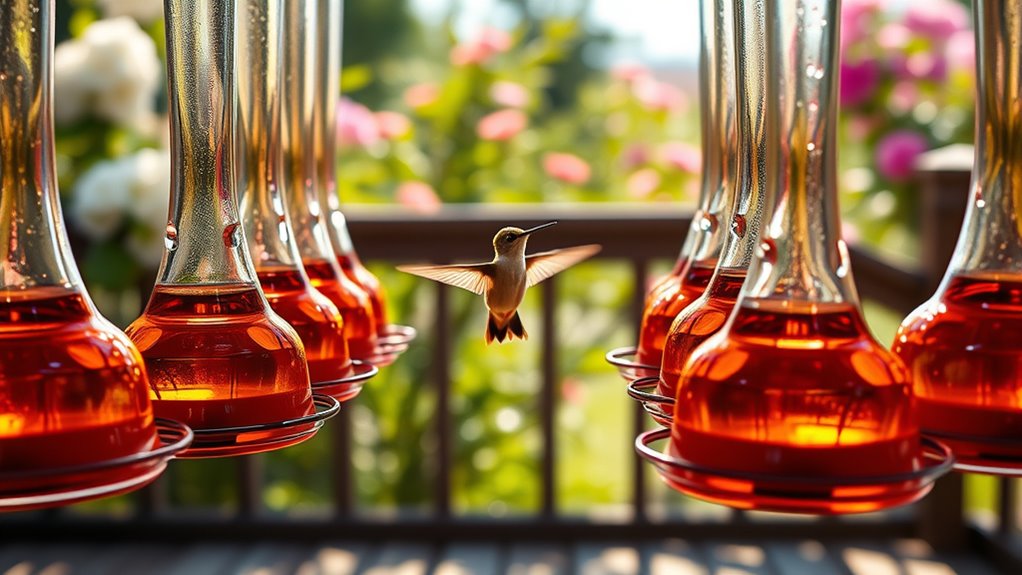
Mimic Nature's Nectar: The Right Sugar Water Ratio for Hummers
Attracting the jewel-toned marvels known as hummingbirds to your garden is a truly rewarding experience. These tiny, energetic birds bring a flurry of vibrant life and aerial acrobatics. While natural flower nectar is their primary food source, providing a supplementary feeder with homemade sugar water can offer them a vital energy boost, especially during migration or harsh weather. However, the key to responsible feeding lies in understanding and adhering to the precise Perfect Hummingbird Nectar: The Essential 1:4 Sugar Water Ratio Guide. Getting this balance right is not just a suggestion; it's a critical element for their health and well-being. By mirroring the natural sugar concentration found in flowers, you ensure that your homemade solution is both appealing and beneficial, without causing harm.The Golden Rule: Understanding the Ideal Hummingbird Sugar Water Ratio
The foundation of safe and effective hummingbird feeding is a simple, yet scientifically validated, formula: one part refined white sugar to four parts water. This 1:4 hummingbird sugar water ratio is no arbitrary number; it meticulously mimics the sugar content found in the floral nectar hummingbirds have co-evolved to thrive on. Their digestive systems are perfectly adapted to this specific concentration. Why is this ratio so crucial? If the sugar solution is too weak (less sugar), it won't provide the high-energy fuel these incredibly active birds need to sustain their rapid metabolism, especially considering their wing beats can reach 80 times per second. They'd expend more energy seeking food than they'd gain. Conversely, if the solution is too strong (more sugar), it can be difficult for them to digest, potentially leading to dehydration, liver damage, or other serious health issues. An overly concentrated solution can also become sticky, posing a risk to their delicate beaks and feathers. To help you prepare the right amount for your feeder and avoid waste, here are practical measurements based on the 1:4 hummingbird sugar water ratio:- Tiny Batch: 1/8 cup sugar to 1/2 cup water
- Small Batch: 1/4 cup sugar to 1 cup water
- Medium Batch: 1/2 cup sugar to 2 cups water
- Large Batch: 1 cup sugar to 4 cups water
- Extra Large Batch: 2 cups sugar to 8 cups water (or 1.9 liters)
Crafting Perfect Nectar: Ingredients and What to Avoid
Creating the best homemade hummingbird food is remarkably simple, requiring just two ingredients. However, the *type* of these ingredients is paramount.The Right Sugar: Only Refined White Granulated Sugar
For the sugar component of your hummingbird sugar water ratio, insist on using standard white granulated table sugar. This is the same sucrose sugar you use for baking and coffee. It's easily digestible for hummingbirds and closely matches the composition of natural nectar.
Absolutely avoid these types of sugars and sweeteners:
- Brown Sugar: Contains molasses, which can ferment quickly and is difficult for hummingbirds to digest.
- Organic, Natural, or Raw Sugars: While they might sound healthier, these often contain trace minerals and compounds, particularly high levels of iron, which can be toxic to hummingbirds even in small amounts. They also promote bacterial and fungal growth more rapidly than refined white sugar.
- Honey: A definite no-go. Honey contains bacteria that can cause a fatal fungal infection in hummingbirds' tongues.
- Sugar Powders/Confectioners' Sugar: These often contain anti-caking agents that are harmful to hummingbirds.
- Artificial Sweeteners: Such as aspartame, saccharin, or sucralose, offer no nutritional value to hummingbirds and could be toxic.
The Right Water: Clean, Safe, and Boiled
The water you use should be clean, fresh, and safe for human consumption. While tap water is generally acceptable if it's safe for you to drink, boiling it is highly recommended. Boiling serves a dual purpose:
- It helps dissolve the sugar more effectively, ensuring an even consistency for your hummingbird sugar water ratio.
- It sanitizes the water by killing off potential bacteria, fungi, or other contaminants that could be present, thus making the nectar safer for the birds.
Regarding specific water types:
- Purified Water: Generally a good choice if your tap water quality is questionable, as it removes impurities.
- Avoid Distilled Water: Distilled water lacks the trace minerals that hummingbirds, like all living creatures, need for their metabolic processes. While boiling tap water purifies it, it generally retains these essential minerals.
- Avoid Softened Water: Water softeners often use sodium, and an excess of sodium can be harmful to hummingbirds.
Crucial Additive: No Red Dye or Artificial Colors
It's a common misconception that hummingbirds are attracted to red dye. While they are drawn to the color red, adding artificial coloring to their nectar is completely unnecessary and potentially harmful. The red on a feeder's port is sufficient to attract them. Artificial dyes offer no nutritional value and could be toxic to these delicate birds. Always opt for a clear, natural solution. This is a vital part of making Make Safe Hummingbird Food: Correct Sugar, Water & No Red Dye.
Step-by-Step Guide to Preparing Homemade Hummingbird Nectar
- Clean Your Feeder First: Before you even start making the nectar, ensure your hummingbird feeder is spotlessly clean. Dirty feeders can harbor mold and bacteria, which are extremely dangerous for hummingbirds. Use hot water and a bottle brush, and consider a mild bleach solution (1 part bleach to 9 parts water) followed by thorough rinsing for deep cleaning.
- Combine and Boil: In a saucepan, combine your measured white granulated sugar and clean water according to the 1:4 hummingbird sugar water ratio. Bring the mixture to a rolling boil over medium heat.
- Dissolve Sugar Completely: Allow the mixture to gently boil for at least 2-5 minutes. This ensures that all the sugar crystals are fully dissolved and helps to sterilize the solution. Stir occasionally to prevent scorching.
- Cool to Room Temperature: Remove the saucepan from the heat and allow the nectar to cool completely to room temperature before pouring it into your feeder. Hot nectar can damage the feeder and potentially harm the birds.
- Fill Feeders and Store Leftovers: Once cooled, fill your clean hummingbird feeders. Any leftover nectar should be stored in a clean, airtight container (like a glass jar) in the refrigerator. Label the container with the date. Unused nectar can be safely stored in the fridge for up to two weeks.
Beyond the Recipe: Important Considerations for Hummingbird Care
Making the correct hummingbird sugar water ratio is just the first step. Proper feeder maintenance and understanding hummingbird ecology are equally important for being a responsible host.Feeder Hygiene is Non-Negotiable
The biggest threat to hummingbirds visiting feeders isn't the sugar water itself, but contaminated feeders. Mold and bacteria thrive in sugar solutions, especially in warm weather. Clean your feeders every 2-3 days, or even daily in very hot climates. Use hot water and a brush. Avoid soap, as residues can be harmful; if you must use it, rinse meticulously. A weak bleach solution (as mentioned above) followed by thorough rinsing can be used for occasional deep cleaning.
Nectar Refreshment Schedule
Even if the feeder isn't empty, you must replace the nectar regularly. As a general guideline:
- Hot Weather (above 80°F/27°C): Change nectar every 1-2 days.
- Mild Weather (70-80°F/21-27°C): Change nectar every 3-4 days.
- Cool Weather (below 70°F/21°C): Change nectar every 5-7 days.
If you notice any cloudiness, black spots (mold), or unusual smell, immediately discard the nectar and thoroughly clean the feeder.
Understanding the Hummingbird Diet
While your sugar water provides essential energy, remember that it's a supplement, not a complete diet. Hummingbirds also eat a wide variety of tiny insects, spiders, and tree sap, which provide crucial protein, fats, and other nutrients. A diverse garden with native, nectar-producing flowers is the best way to support their natural foraging behaviors and provide a balanced diet.
Strategic Feeder Placement
Place feeders in a location that offers both visibility for the birds and protection. Avoid direct, scorching sunlight, which can cause the nectar to spoil faster. Position feeders near natural cover like trees or shrubs, offering perching spots and a quick escape from predators. Ensure they are visible from a window so you can enjoy their visits!
By meticulously following the guidelines for the correct hummingbird sugar water ratio and maintaining impeccable feeder hygiene, you are providing a safe, beneficial, and much-appreciated resource for these incredible creatures. Your efforts will be rewarded with countless dazzling visits, bringing joy and a deeper connection to the natural world right outside your window.