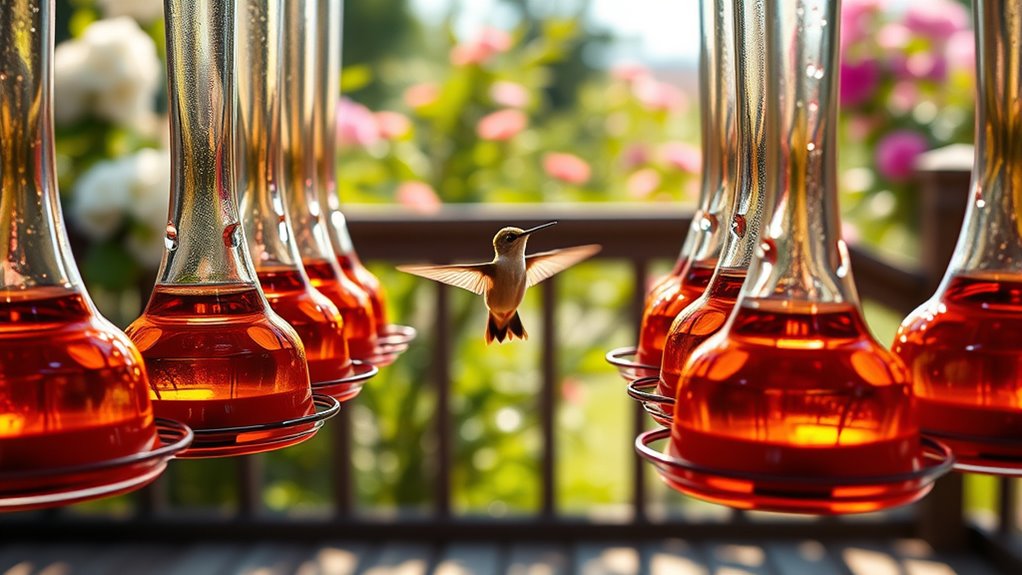
Welcoming hummingbirds to your garden is a truly magical experience. These iridescent jewels of the sky are fascinating to watch, darting from flower to flower, their wings a blur. While they naturally feast on flower nectar and tiny insects, providing a supplementary feeder can offer a vital energy source, especially during migration or when natural food sources are scarce.
However, simply hanging a feeder isn't enough; the quality and composition of the nectar you offer are paramount to their health and well-being. The secret to a safe and attractive homemade nectar lies in understanding and precisely following the correct hummingbird sugar water ratio. This guide will walk you through creating the perfect, healthy, and irresistible treat for your tiny visitors.
The Golden Rule: Understanding the 1:4 Hummingbird Sugar Water Ratio
The most critical aspect of preparing hummingbird food is getting the sugar-to-water ratio exactly right. Hummingbirds have co-evolved with flowering plants, and their digestive systems are perfectly adapted to the sugar concentration found in natural floral nectar. Replicating this natural balance is essential.
The universally recommended and safest hummingbird sugar water ratio is 1 part refined white sugar to 4 parts clean water. This concentration mimics the sucrose levels found in many of their preferred flowers, providing the necessary energy without being too weak (less energy) or too strong (difficult to digest or dehydrating).
Practical Batch Sizes for Your Nectar:
Whether you're starting small or feeding a flock, you can easily scale your recipe while maintaining the correct 1:4 ratio:
- Tiny Batch: 1/8 cup sugar to 1/2 cup water (approx. 30 ml sugar to 118 ml water)
- Small Batch: 1/4 cup sugar to 1 cup water (approx. 60 ml sugar to 236 ml water)
- Medium Batch: 1/2 cup sugar to 2 cups water (approx. 118 ml sugar to 472 ml water)
- Large Batch: 1 cup sugar to 4 cups water (approx. 236 ml sugar to 944 ml water)
- Extra Large Batch: 2 cups sugar to 8 cups water (approx. 472 ml sugar to 1.9 liters water)
Consistency is key. Always use these proportions to ensure your nectar is safe and beneficial for hummingbirds. This precise formulation ensures that you Mimic Nature's Nectar: The Right Sugar Water Ratio for Hummers effectively.
The Right Ingredients: What to Use (and What to Absolutely Avoid)
Crafting perfect hummingbird nectar isn't just about the ratio; it's also about selecting the right ingredients. Simplicity and purity are your best guides here.
The Right Sugar: Refined White Granulated Sugar
- What to Use: Only use plain, refined white granulated table sugar (sucrose). This is the safest choice because it's a simple disaccharide that closely mimics the sugars found in natural flower nectar and is easily digestible by hummingbirds.
- What to Absolutely Avoid:
- Brown Sugar, Organic, Natural, or Raw Sugars: These often contain molasses or other impurities, trace minerals, or iron levels that can be harmful to hummingbirds. They can also promote the rapid growth of bacteria and fungi in feeders, leading to dangerous infections.
- Powdered Sugar: Contains anti-caking agents (like cornstarch) that are not suitable for hummingbirds.
- Honey: Never use honey! It can ferment quickly and harbor bacteria and fungi, including deadly yeasts and molds, that can be fatal to hummingbirds.
- Artificial Sweeteners: These offer no nutritional value and can be harmful to hummingbirds, providing no energy for their incredibly high metabolism.
- Red Food Coloring or Dyes: This is a common misconception. Hummingbirds are attracted to the color red, but they are attracted to the feeder itself, not the nectar. Red dye offers no nutritional benefit and the chemicals used can be toxic to these delicate birds. Avoid store-bought nectars that contain artificial coloring. Your feeder's red components are enough to attract them. Learn more about making safe food and avoiding red dye in our article: Make Safe Hummingbird Food: Correct Sugar, Water & No Red Dye.
The Right Water: Clean and Pure
- What to Use: Use clean, fresh drinking water. If your tap water is safe for human consumption, it's generally fine for hummingbirds. Purified water is an excellent option if you have concerns about your tap water quality.
- What to Avoid:
- Distilled Water: While pure, distilled water lacks the trace minerals that hummingbirds (and all living creatures) need. Using purified water, which often retains some minerals, is a better choice.
- Softened Water: Water softeners often replace minerals like calcium and magnesium with sodium, which can alter the water's balance and potentially be harmful in large quantities for hummingbirds.
- Tip: Boiling your water before mixing helps reduce potential contaminants and ensures the sugar dissolves completely.
Step-by-Step Preparation: Crafting Your Perfect Nectar
Once you have your ingredients, making the nectar is simple. Following these steps ensures a safe, clean, and appealing treat for your hummingbirds.
- Clean Your Feeder: Before you even start making nectar, ensure your hummingbird feeders are sparkling clean and ready. This is crucial for preventing mold and bacteria growth. We'll touch on cleaning in more detail below.
- Combine and Heat: In a saucepan, combine your chosen amount of white granulated sugar and water according to the 1:4 hummingbird sugar water ratio. For example, if making a medium batch, use 1/2 cup sugar and 2 cups water.
- Dissolve Sugar: Bring the mixture to a gentle boil. Continue to gently boil for at least 5 minutes, stirring occasionally, until the sugar is completely dissolved. Boiling serves a dual purpose: it ensures full sugar dissolution and helps to sterilize the water, killing any potential bacteria or mold spores.
- Cool Completely: Remove the saucepan from the heat and allow the nectar to cool down to room temperature before filling your feeders. Hot nectar can damage plastic feeders and, more importantly, can harm a hummingbird's delicate tongue and digestive system.
- Fill Feeders and Store Leftovers: Once cooled, carefully fill your hummingbird feeder. Any leftover nectar should be stored in a clean, airtight container (like a jar with a tight lid) in the refrigerator.
Nectar Storage and Freshness:
Refrigerated nectar is generally safe for up to two weeks. However, for optimal freshness and safety, especially during warmer months, it's best to use it within 5-7 days. Always label your container with the preparation date so you know exactly how fresh it is.
Beyond the Recipe: Best Practices for Hummingbird Feeder Care
Providing the correct nectar is only half the battle. Maintaining a clean and safe environment for your hummingbirds is equally important.
Feeder Placement:
- Hang feeders in a shady spot to slow down nectar spoilage.
- Ensure they are visible but also protected from predators like cats.
- Place feeders near natural nectar sources to encourage visits.
The Vital Role of Feeder Cleaning:
This cannot be stressed enough: dirty feeders are breeding grounds for harmful bacteria and mold, which can make hummingbirds very sick, even fatally so. Regular cleaning is non-negotiable.
- Frequency: In hot weather (above 80°F/27°C), clean feeders every 1-2 days. In cooler weather, every 3-5 days is usually sufficient. If you see any cloudiness, black spots, or mold, clean it immediately.
- Method:
- Discard any old nectar.
- Disassemble the feeder completely.
- Wash all parts thoroughly with hot water and a dedicated feeder brush. Avoid using dish soap if possible, as residues can be harmful. If you must use soap, rinse meticulously, several times over.
- For a deeper clean and to kill stubborn mold, soak feeder parts in a dilute bleach solution (1 part bleach to 9 parts water) for about an hour.
- Rinse all parts extensively with clean water to remove all traces of bleach. Any lingering chemical residue can be dangerous.
- Allow the feeder to air dry completely before refilling with fresh nectar.
Understanding Hummingbird Diet:
Remember, the sugar water you provide is a supplement. Hummingbirds rely on a diverse diet that includes natural flower nectar and a significant amount of protein from tiny insects and spiders. Your feeder helps them meet their high energy demands, but a healthy garden with native flowering plants is also crucial for their overall well-being.
Conclusion
Providing a safe, nutritious, and attractive food source for hummingbirds is a rewarding way to connect with nature. By meticulously following the essential 1:4 hummingbird sugar water ratio, using only refined white sugar and clean water, and committing to a rigorous cleaning schedule, you ensure your tiny visitors receive the best possible care. Enjoy the vibrant beauty and energetic presence of these incredible birds as they grace your garden, fueled by your perfectly prepared homemade nectar.