Understanding the Ideal Hummingbird Sugar Water Ratio
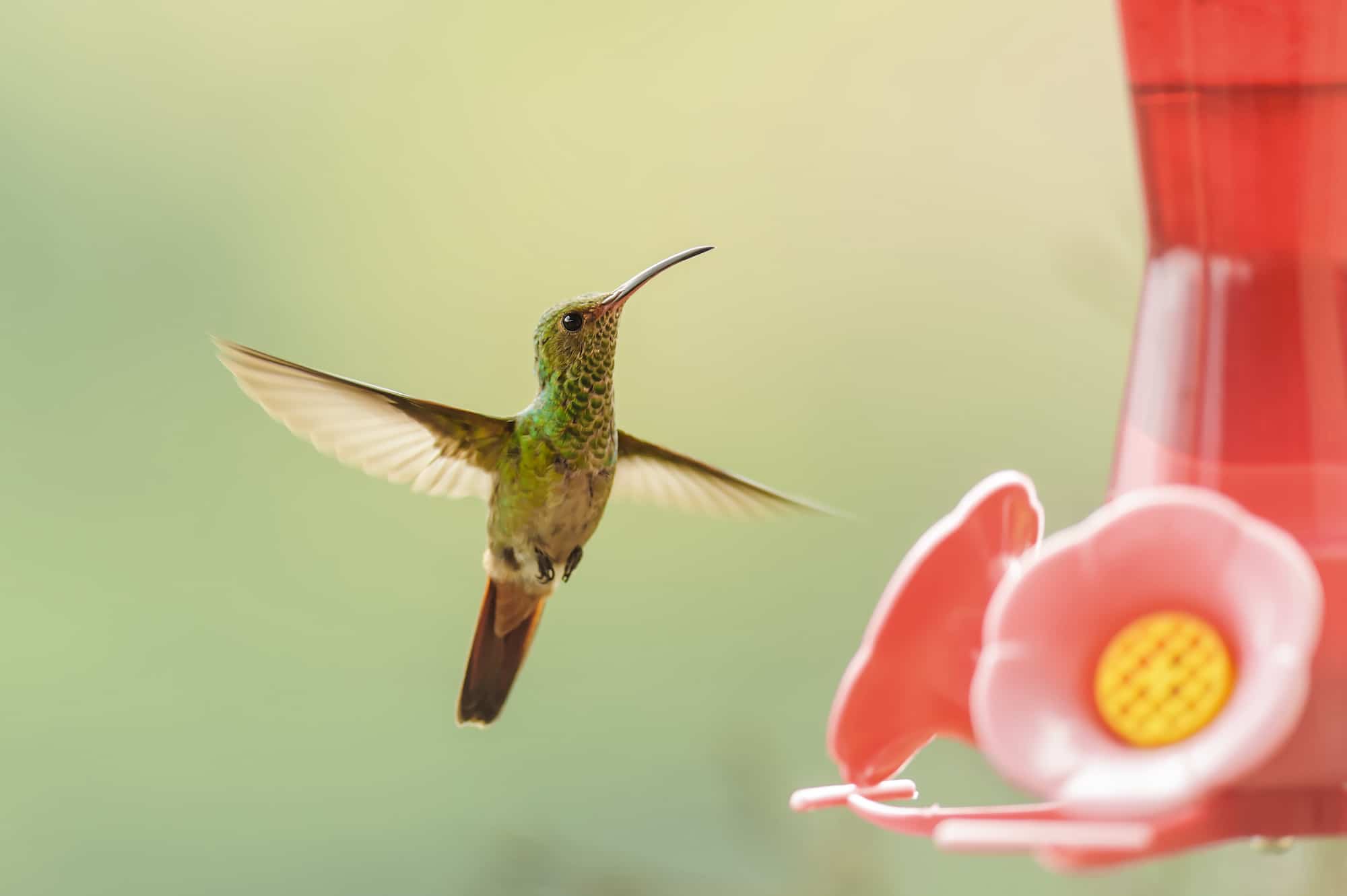
Inviting the vibrant, jewel-toned marvels known as hummingbirds into your garden is a truly rewarding experience. Providing them with a consistent, safe food source is key to their well-being, and at the heart of this provision lies one crucial element: the correct **Hummingbird Sugar Water Ratio**. Getting this balance right isn't just a suggestion; it's a fundamental requirement that directly mimics the natural nectar they've evolved to consume from flowers. When you create your own homemade hummingbird food, you're essentially crafting an energy drink perfectly tailored to their incredibly high metabolism.
The scientifically backed, optimal ratio for hummingbird nectar is elegantly simple:
1 part refined white sugar to 4 parts clean water. This precise concentration ensures that the solution provides adequate energy without being too weak to be beneficial or too strong, which could potentially cause dehydration or digestive issues. Think of it as replicating nature's recipe, allowing these tiny dynamos to refuel efficiently as they flit between flowers and feeders.
Why the 1:4 Ratio is Non-Negotiable
Hummingbirds are extraordinary creatures with metabolic rates among the highest in the animal kingdom. Their wings can beat up to 80 times per second, and their hearts can race at over 1,200 beats per minute. This intense activity demands a constant, high-octane fuel source. Flower nectar naturally provides a sugar concentration that meets this need, and our homemade solution must do the same. If the sugar concentration is too low (e.g., 1:5 or 1:6), the birds expend more energy flying to and from the feeder than they gain from the diluted solution, making it inefficient and potentially detrimental. Conversely, a ratio that is too high (e.g., 1:3) can be difficult for their systems to process, leading to dehydration or other health complications. Sticking to the 1:4 **Hummingbird Sugar Water Ratio** is a critical act of care, ensuring these acrobatic birds receive the perfect nutritional balance. For a deeper dive into this essential balance, explore our guide on
Perfect Hummingbird Nectar: The Essential 1:4 Sugar Water Ratio Guide.
The Right Ingredients: What to Use and What to Avoid
Crafting safe hummingbird food is about more than just the ratio; it's also about selecting the correct ingredients. The simplicity of the recipe is its strength, requiring only two components, but their quality and type are paramount.
Sugar: The Only Sweetener You Need
When it comes to sugar, there's only one choice:
refined white granulated table sugar. This is pure sucrose, which is the primary sugar found in natural flower nectar and is easily digestible by hummingbirds. It provides the quick energy they need without any harmful byproducts.
Here's a critical list of what to
avoid and why:
*
Brown Sugar, Organic Sugar, Raw Sugar: These sugars contain varying levels of molasses, iron, and other impurities. While seemingly natural, these substances can be difficult for hummingbirds to digest, potentially accumulate to toxic levels (especially iron), and significantly promote rapid bacterial and fungal growth in the nectar, leading to serious illness.
*
Honey: Never use honey. It can harbor bacteria and fungi, including spores that cause botulism, which is lethal to hummingbirds. Even in small amounts, honey poses an unacceptable risk.
*
Artificial Sweeteners: Splenda, Equal, Stevia, or any other artificial sweetener offers no nutritional value to hummingbirds. They need carbohydrates for energy, which artificial sweeteners do not provide. At worst, they could be toxic or confuse the birds' metabolic processes.
*
Powdered Sugar (Confectioners' Sugar): Often contains anti-caking agents like cornstarch. These additives are not natural to a hummingbird's diet and can be harmful or interfere with digestion.
By sticking exclusively to refined white granulated sugar, you ensure the nectar is pure, safe, and easily metabolized by your tiny visitors. For more insights on mimicking natural nectar with the right sugar, read our article
Mimic Nature's Nectar: The Right Sugar Water Ratio for Hummers.
Water Quality Matters for Hummingbird Nectar
The second vital ingredient is water. Just like the sugar, the quality of your water can impact the safety and appeal of your hummingbird feeder.
*
Use Clean, Drinkable Water: If your tap water is safe for human consumption, it's generally suitable for hummingbirds. However, to enhance safety and aid in dissolving the sugar, boiling your water is highly recommended. Boiling helps to sterilize the water, eliminating potential contaminants, and ensures the sugar fully dissolves, creating a uniform solution.
*
Avoid Distilled Water: While it might seem pure, distilled water lacks the trace minerals that hummingbirds (and all living creatures) need in their diet. Using it exclusively could lead to mineral deficiencies over time.
*
Avoid Softened Water: Water softeners often work by replacing hard minerals with sodium or potassium salts. These added salts can be detrimental to a hummingbird's delicate system.
*
Avoid Contaminated Water: Never use water that has an off-odor, visible particles, or comes from an untested source. When in doubt, filtered or purified water (not distilled) is a safer alternative if your tap water quality is questionable.
Beyond Ingredients: The Preparation Process and Safety Tips
Making hummingbird nectar is straightforward, but adhering to a precise preparation method and embracing ongoing cleanliness are crucial for the birds' health.
Step-by-Step Guide to Making Hummingbird Nectar
Follow these simple steps to prepare safe and effective hummingbird food:
1.
Clean Your Feeder Thoroughly: Before you even start making nectar, ensure your hummingbird feeders are immaculately clean and ready to be filled. This is a non-negotiable step to prevent the growth of harmful bacteria and mold.
2.
Measure Accurately: Using your chosen measuring tools, combine 1 part refined white granulated sugar with 4 parts clean water. Here are some common batch sizes:
*
Small Batch: ¼ cup sugar to 1 cup water
*
Medium Batch: ½ cup sugar to 2 cups water
*
Large Batch: 1 cup sugar to 4 cups water
*
Extra Large Batch: 2 cups sugar to 8 cups water
Adhering strictly to this **Hummingbird Sugar Water Ratio** is critical.
3.
Boil and Dissolve: Pour the measured sugar and water into a saucepan. Bring the mixture to a gentle boil and let it simmer for at least 3-5 minutes. This process achieves two things: it thoroughly dissolves the sugar, preventing crystallization, and sterilizes the water, reducing the risk of bacterial growth.
4.
Cool Completely: Remove the saucepan from the heat and allow the nectar to cool down to room temperature. Never put hot nectar into a feeder, as it can damage the feeder or harm the birds. Patience is key here.
5.
Store Leftovers in the Fridge: Any unused nectar can be stored in a clean, airtight container in the refrigerator for up to two weeks. Always label the container with the preparation date. Before refilling your feeder, always inspect the stored nectar for any signs of cloudiness, mold, or an unusual smell; if present, discard it immediately.
The "No Red Dye" Rule: Why Artificial Colors are Harmful
It's a common misconception that hummingbirds need red nectar. While they are indeed attracted to the color red, it's the
feeder itself that should be red, not the liquid inside. Many commercial nectars contain red food coloring, which is entirely unnecessary and potentially harmful. These artificial dyes are chemicals that offer no nutritional benefit and could be toxic to hummingbirds, whose delicate systems are not equipped to process them. Always opt for clear, natural nectar. Your red feeder will do all the necessary attracting.
Feeder Maintenance: Keeping Your Hummers Healthy
Your responsibility doesn't end once the feeder is filled. Regular cleaning is just as important as preparing safe nectar. In moderate temperatures, feeders should be cleaned and refilled every 2-3 days. In hotter weather (above 80°F or 27°C), the nectar can spoil faster, requiring daily changes and cleaning. Use a bottle brush and hot water (no soap, as residue can be toxic) to thoroughly scrub all parts of the feeder, rinsing well. A diluted vinegar solution can be used occasionally for deeper cleaning, followed by a meticulous rinse.
Nurturing Nature: Hummingbirds and Their Diet
While sugar water is a wonderful supplement, remember that it doesn't represent a hummingbird's entire diet. These incredible birds also consume a significant number of small insects (like gnats, mosquitoes, and spiders) to get essential proteins and fats. They also rely on natural flower nectar for a variety of nutrients not present in sugar water. Consider planting native, nectar-rich flowers in your garden to provide a more holistic food source and a beautiful habitat for them.
By following these guidelines—maintaining the correct **Hummingbird Sugar Water Ratio**, using only appropriate ingredients, and committing to diligent feeder hygiene—you'll ensure your backyard is a safe and welcoming haven for these extraordinary avian jewels. Your thoughtful efforts contribute directly to their health and provide you with countless moments of awe and natural beauty.